Kosovo, unretouched
A country in photographs
Everything below is real, licensed photography of real places — the food, the snow, the water, the cities and the history you will actually meet on a FRID journey.
Altitude
Mountains, snow & the ski centre
Brezovica and the Sharr range hold deep, quiet snow from December into March, and the Rugova valley turns gold in October. Lifts without queues, ridgelines without crowds, wild horses wintering on the high plateau.
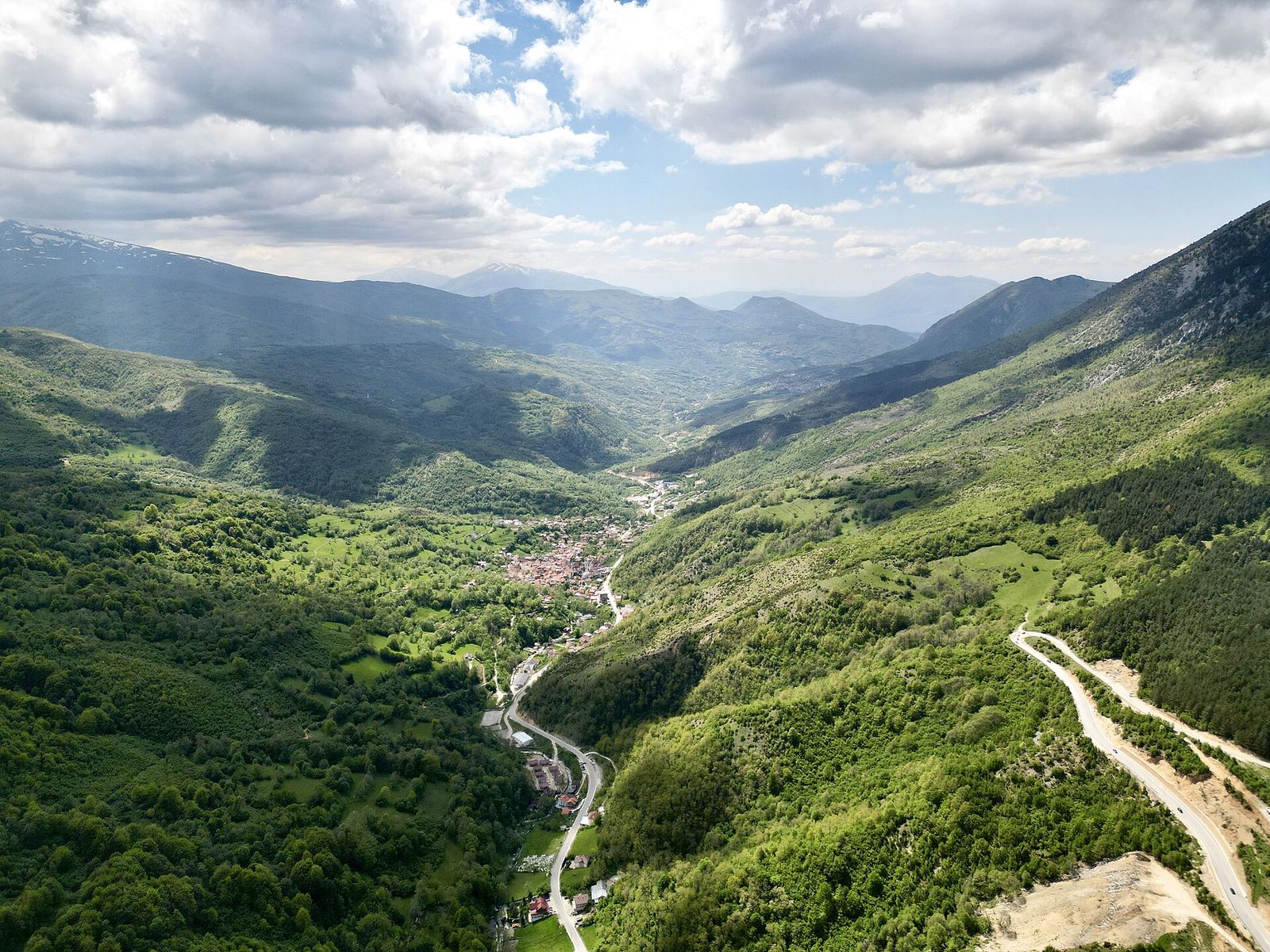
Cloud line over the Sharr range
Weather moves fast up here. Mornings begin above the cloud, and the valley only reappears when it decides to.
SUHEJLO, CC BY 4.0 · Wikimedia Commons
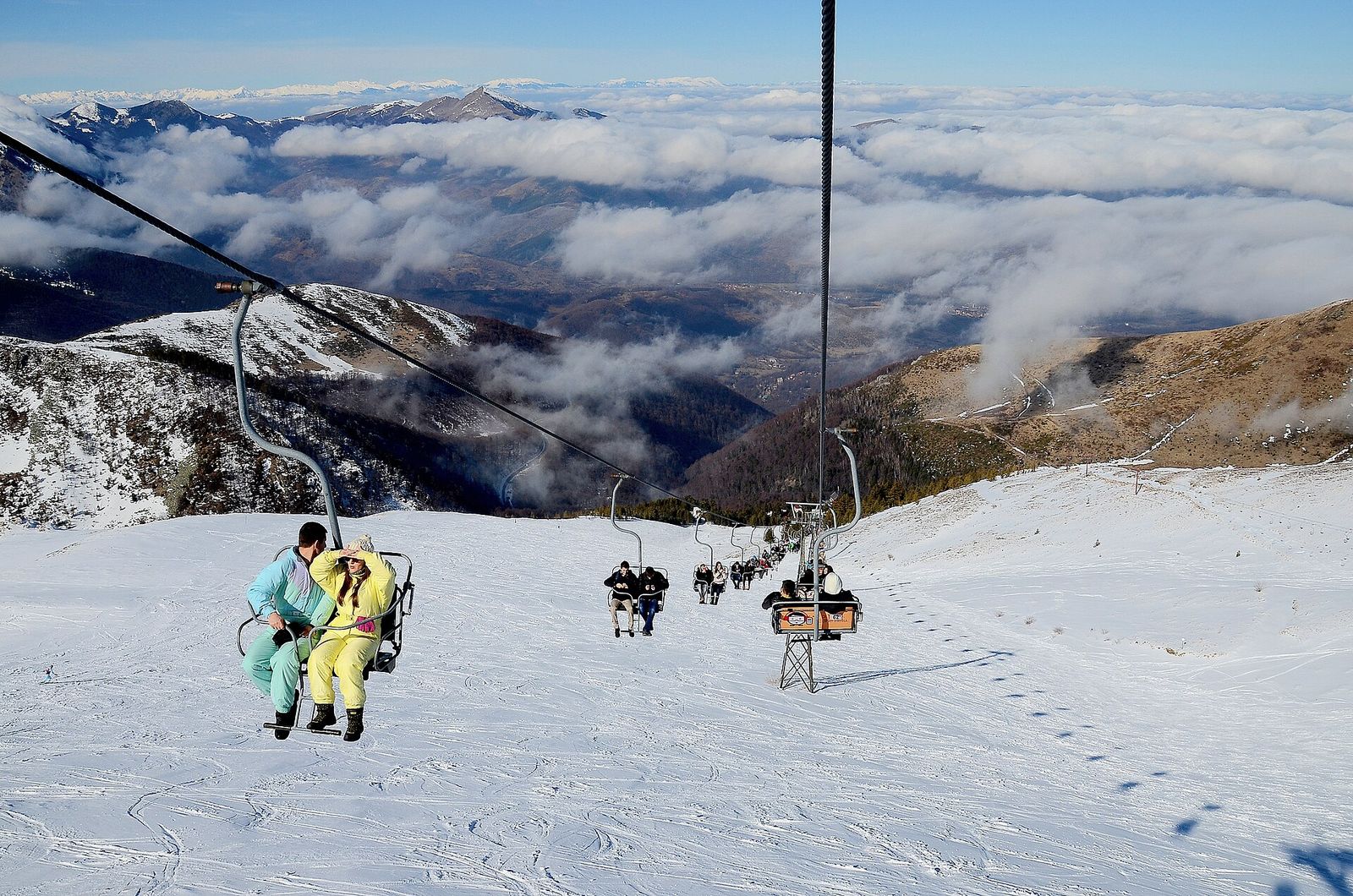
Brezovica Ski Centre
Kosovo's alpine centre at 1,700m, ringed by peaks above 2,500m. On a weekday it still feels like a private mountain.
Bujar Imer Gashi, CC BY-SA 3.0 · Wikimedia Commons
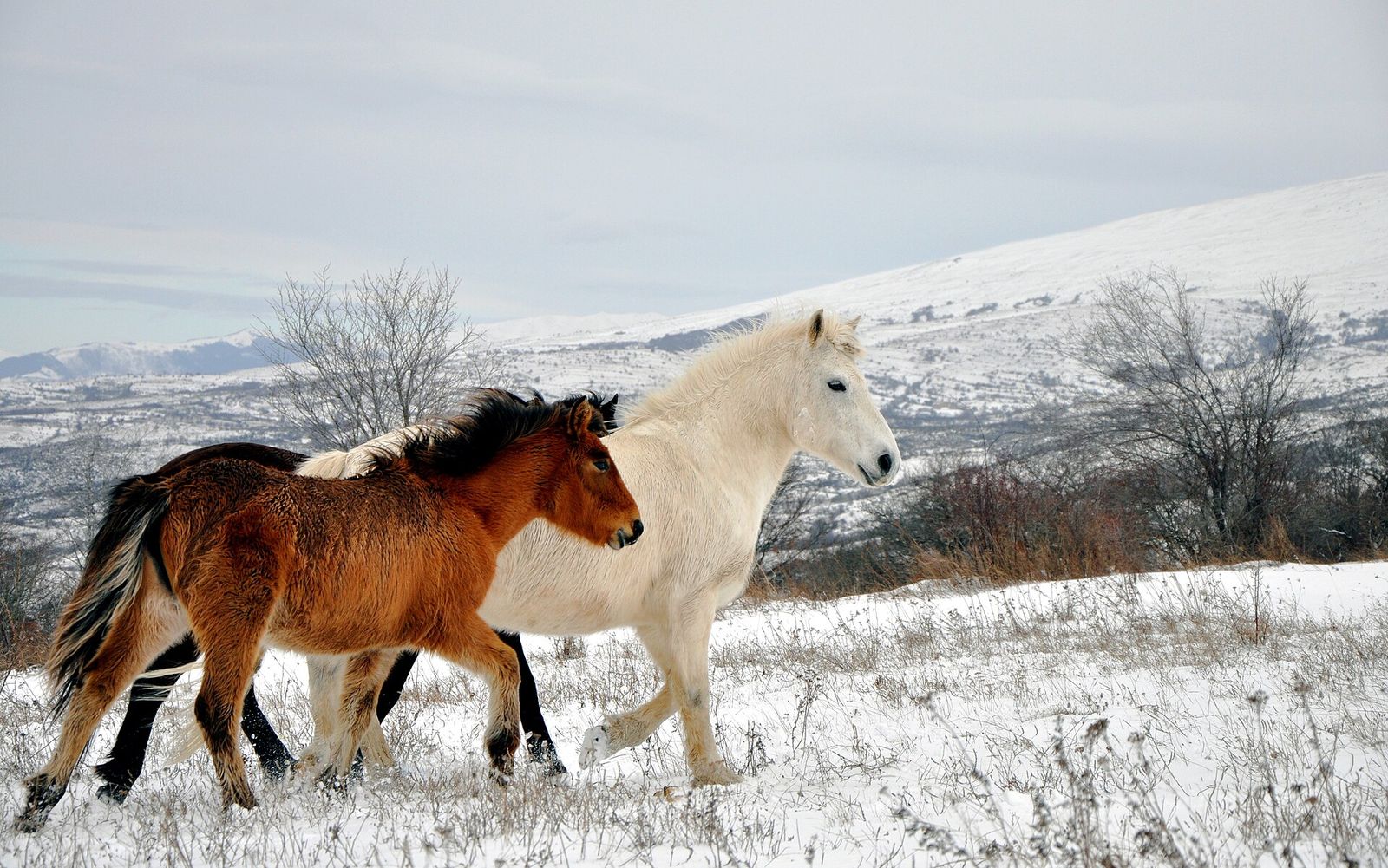
Wild horses of the Sharr plateau
Semi-wild herds graze the high pastures year-round — the image guests carry home longest.
Aljabakphoto, CC BY-SA 4.0 · Wikimedia Commons
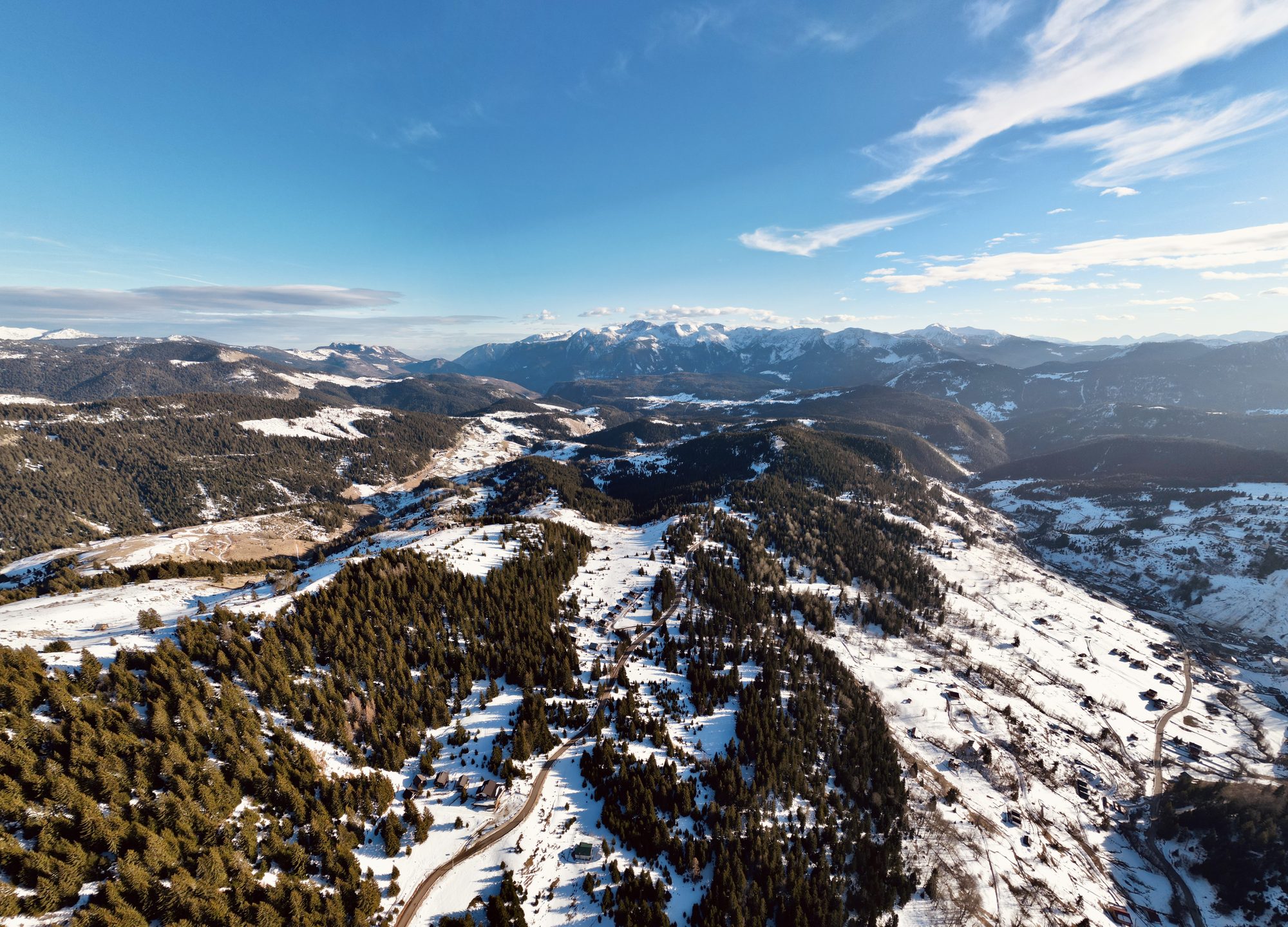
Boga under winter snow
The village of Boga, high in Rugova above Peja — timber chalets, pine and deep snow. Base for the winter Circadian Reset departures.
SUHEJLO, CC BY 4.0 · Wikimedia Commons
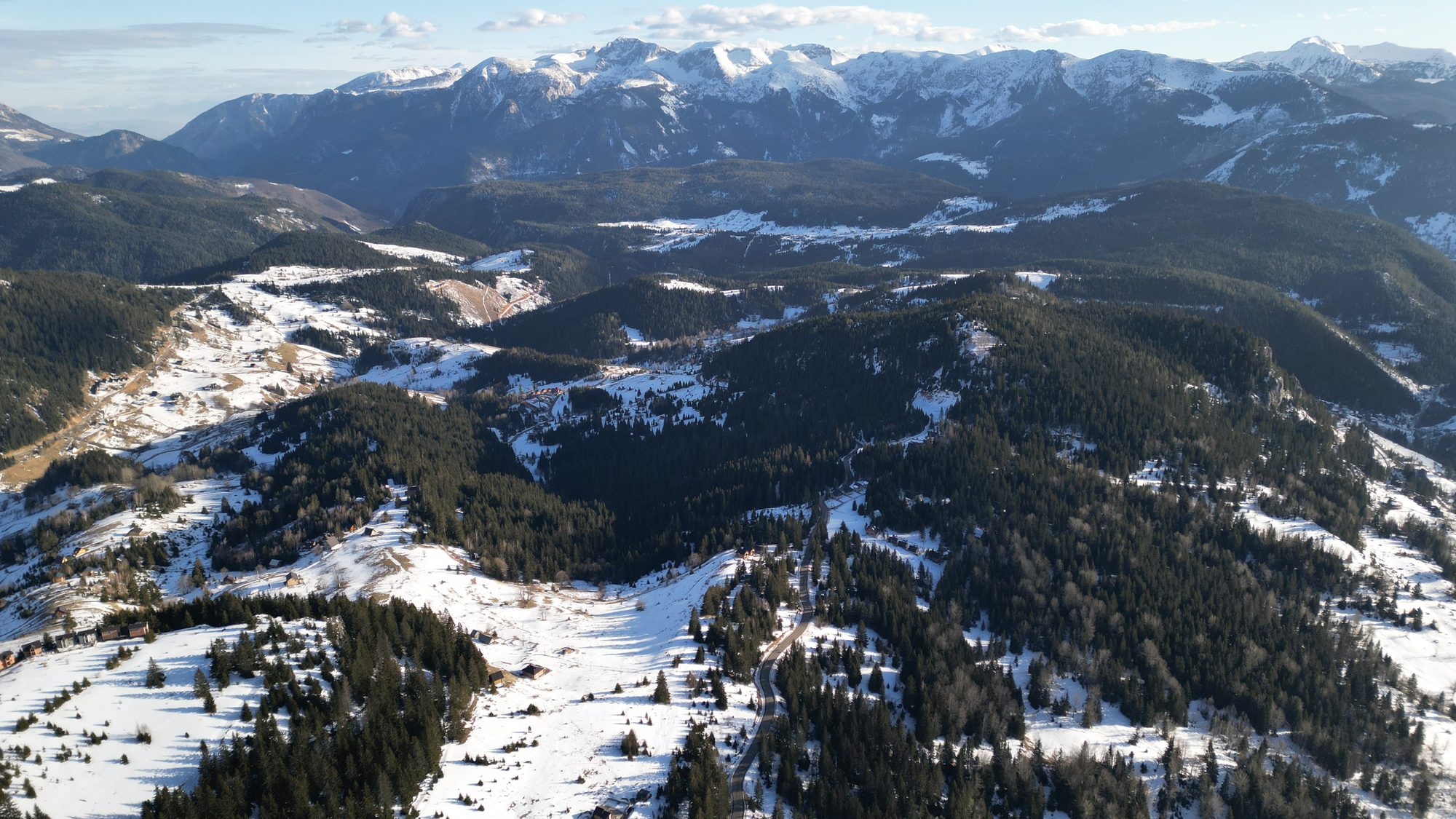
Pines above Boga
Snow-loaded pine forest on the road up to Boga. Silence here is the kind you can hear.
SUHEJLO, CC BY 4.0 · Wikimedia Commons
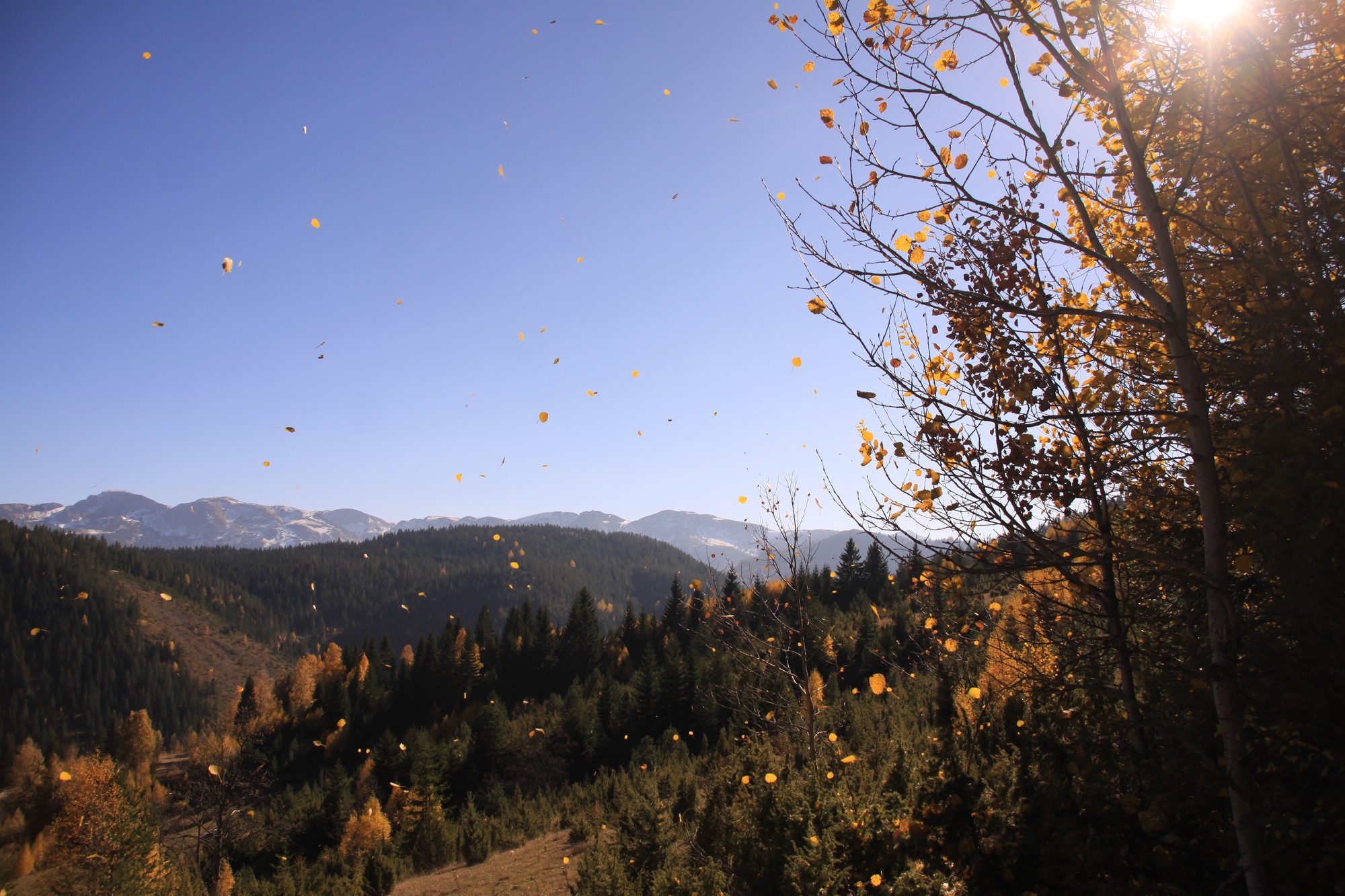
Boga in the green season
The same slopes in summer — meadows, wooden villas and the tree line running up to the Accursed Mountains.
Yllka Fetahaj, CC BY-SA 4.0 · Wikimedia Commons
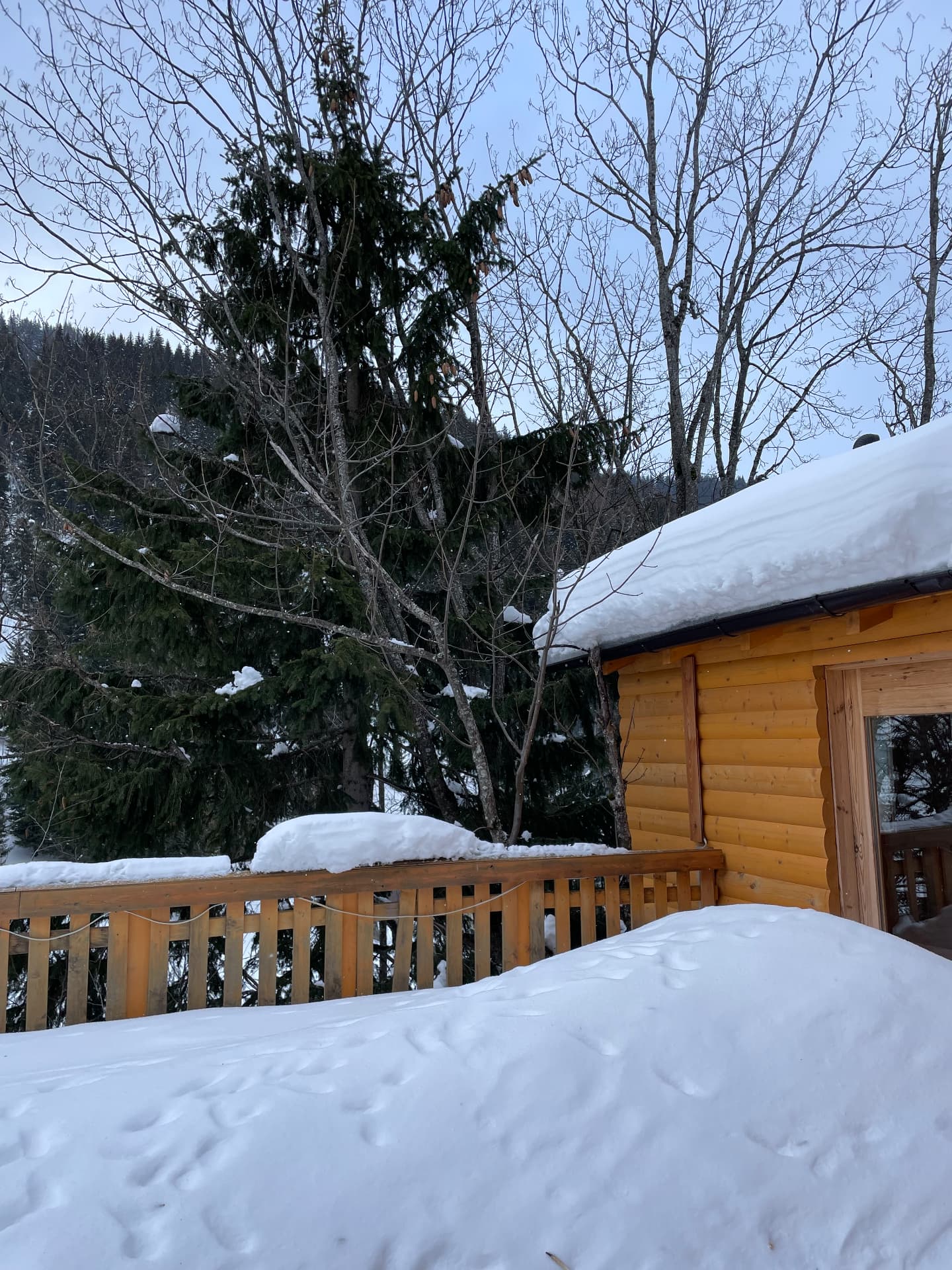
A cabin buried in snow, Prevalla
Deep winter on the Šar side: a wooden balcony, spruce weighed down with snow and no sound at all.
Photography by FRID Worldwide
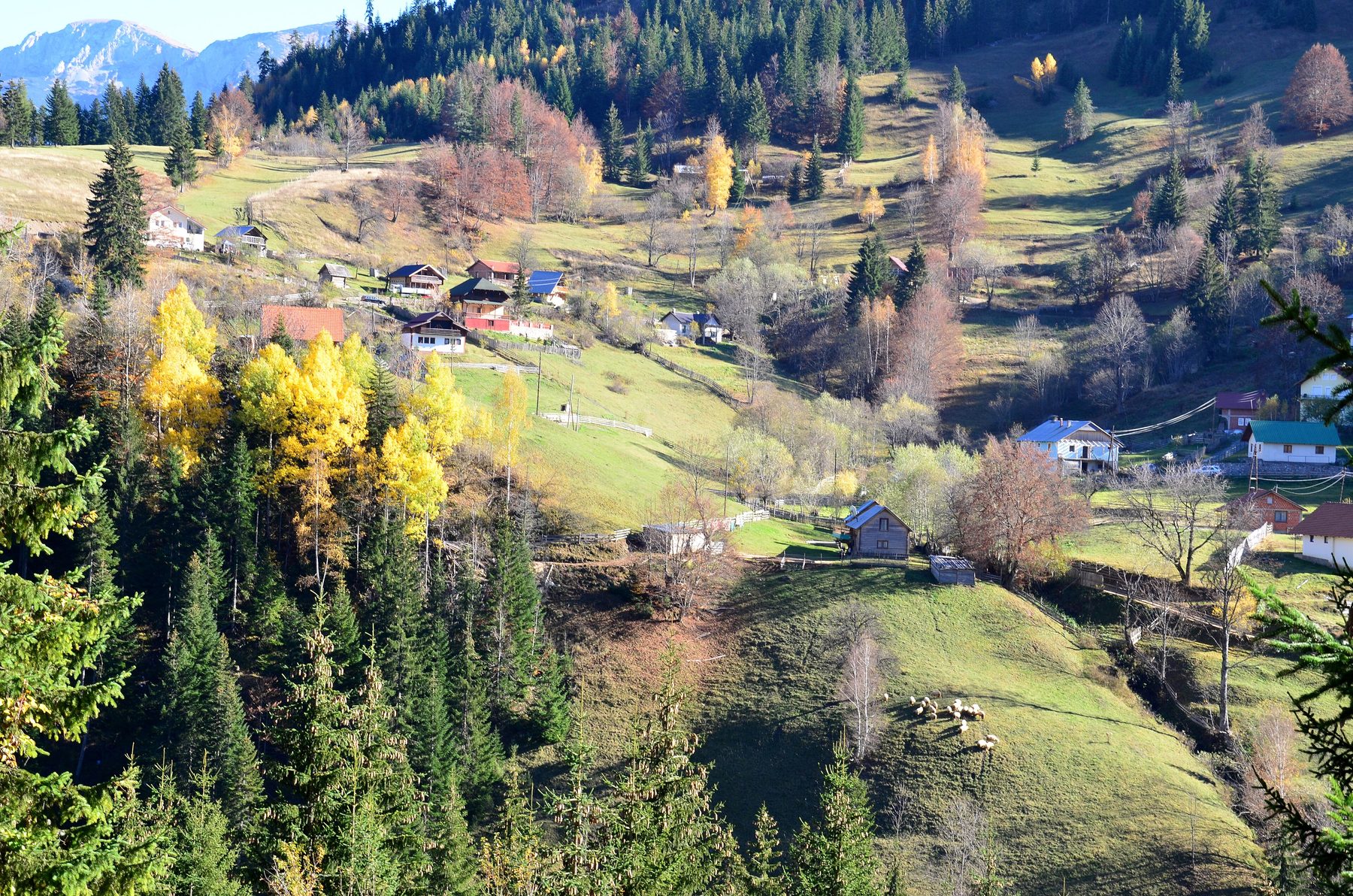
Rugova valley in autumn
Stone houses, hay meadows and larch turning yellow beneath the Accursed Mountains. This is where the Deep Disconnect days are spent.
Bujar Imer Gashi, CC BY-SA 3.0 · Wikimedia Commons
Water
Lakes, rivers & waterfalls
Kosovo is small and full of water. Glacial lakes, reservoirs the colour of steel, limestone canyons, and a river that leaves the rock already full-grown.
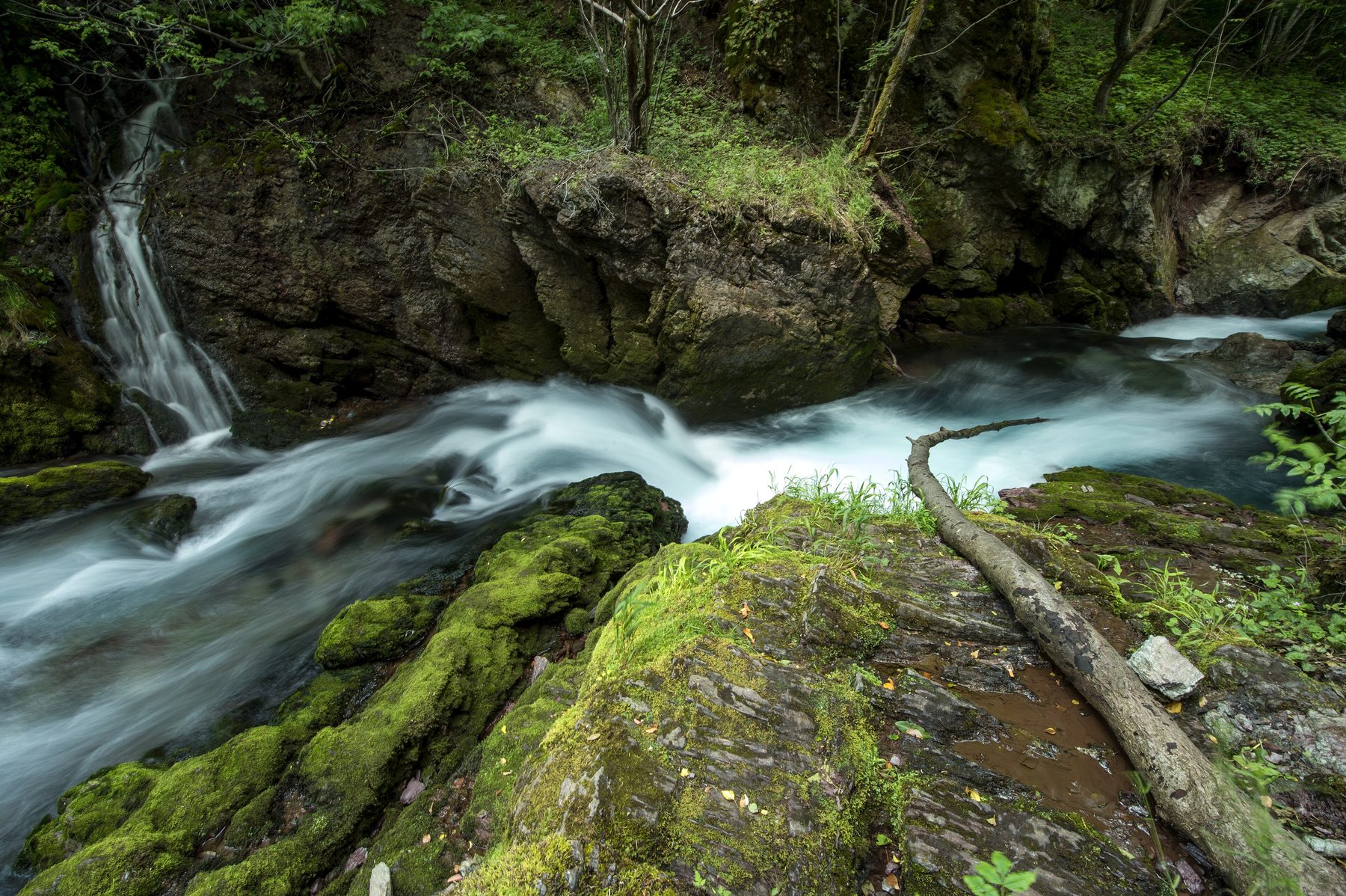
The source of the White Drin, Radavc
The Drini i Bardhë leaves the mountain as a complete river — twenty-five metres of falling water, and nothing between you and it.
Arben Llapashtica, CC BY-SA 4.0 · Wikimedia Commons
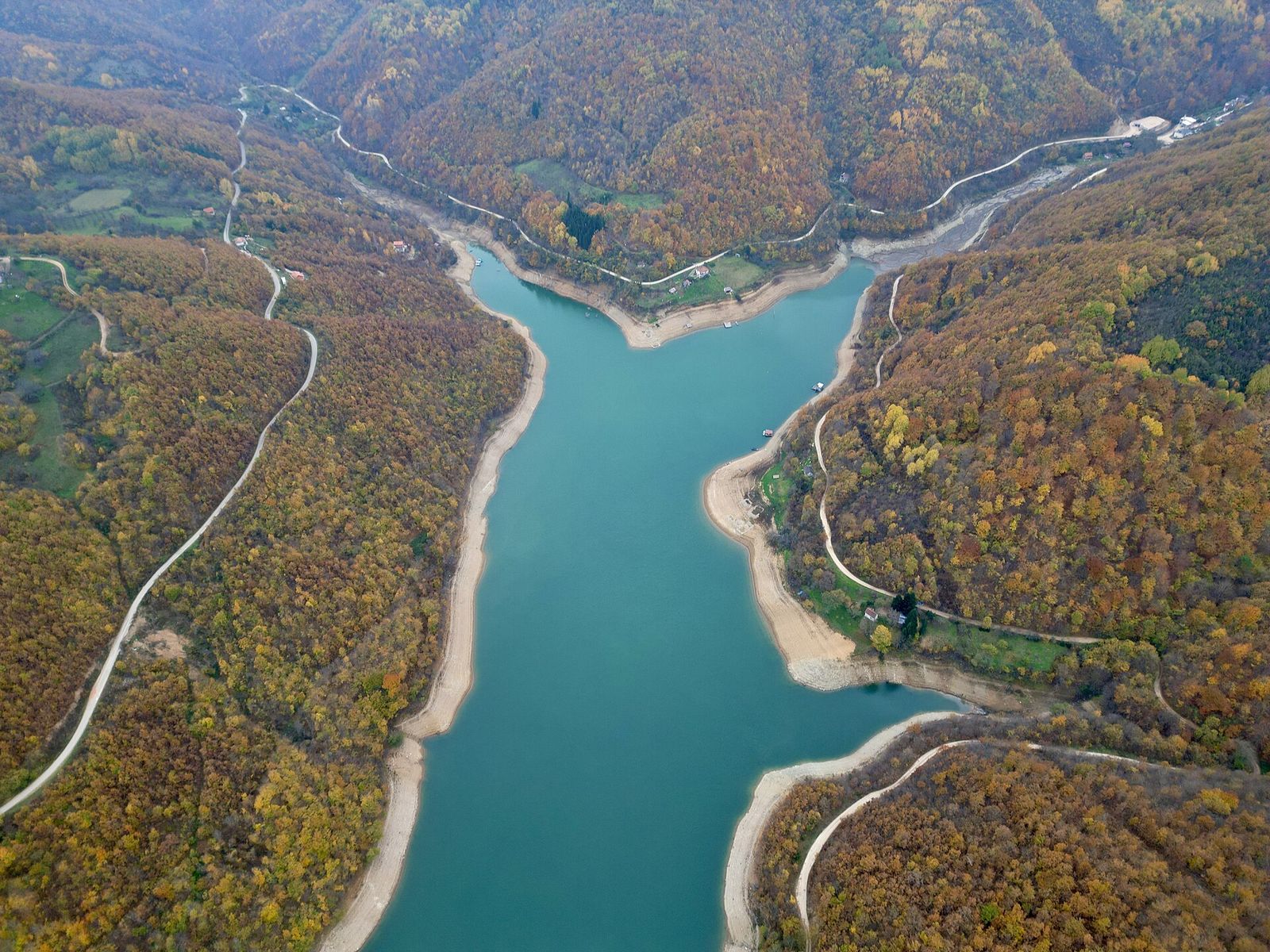
Lake Ujmani from the air
A drowned valley in the north, best met from the water at first light, when the surface holds the whole sky.
SUHEJLO, CC BY 4.0 · Wikimedia Commons
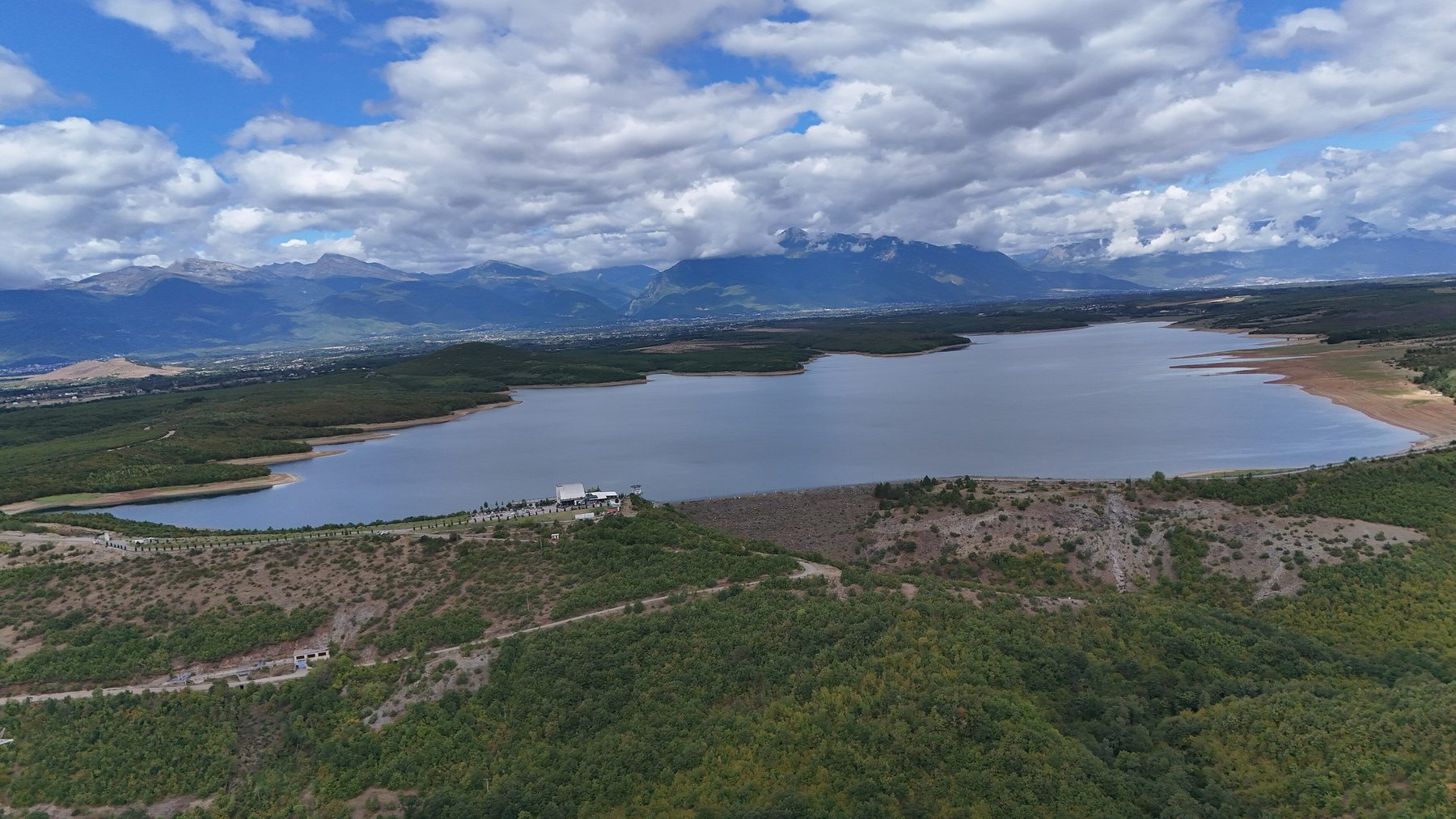
Lake Radoniq
Long, quiet shoreline under the Accursed Mountains — the setting for our slowest afternoons.
Arianit, CC BY-SA 4.0 · Wikimedia Commons
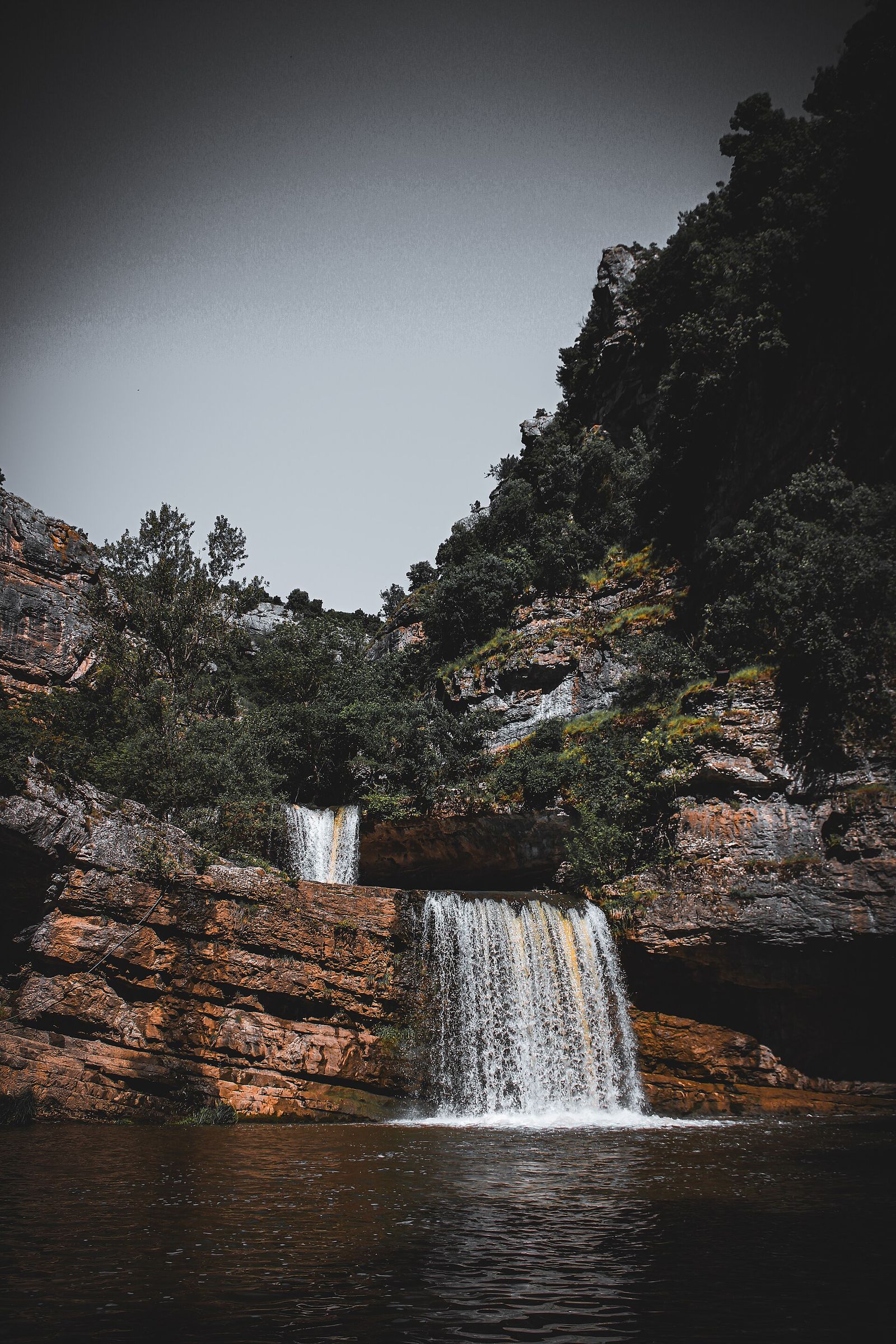
Mirusha canyon pools
Thirteen linked waterfalls carved into limestone — a chain of natural pools you can swim through in summer.
Berishasinan, CC0 · Wikimedia Commons
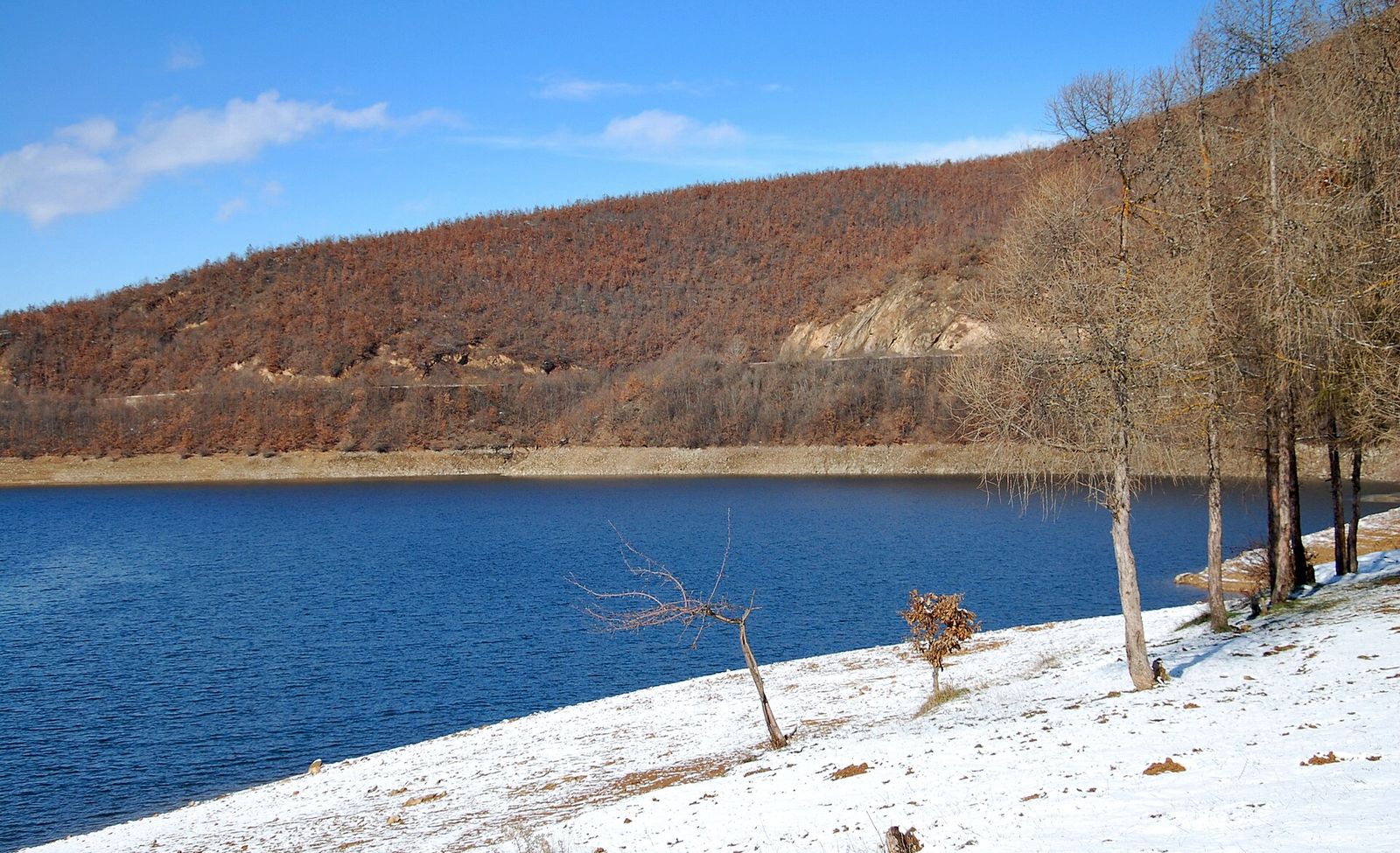
Lake Batllava
Forty minutes from Prishtina: pine shore, still water, and the local prescription for a long week.
Bujar I Gashi, CC BY-SA 3.0 · Wikimedia Commons
The table
Traditional food
Hospitality here is measured in plates. Flia baked layer by layer over embers, mountain cheese and homemade jam at breakfast, peppers with maze and cornbread, a slow tavë in a Prishtina kitchen. Every FRID journey passes through a family table.
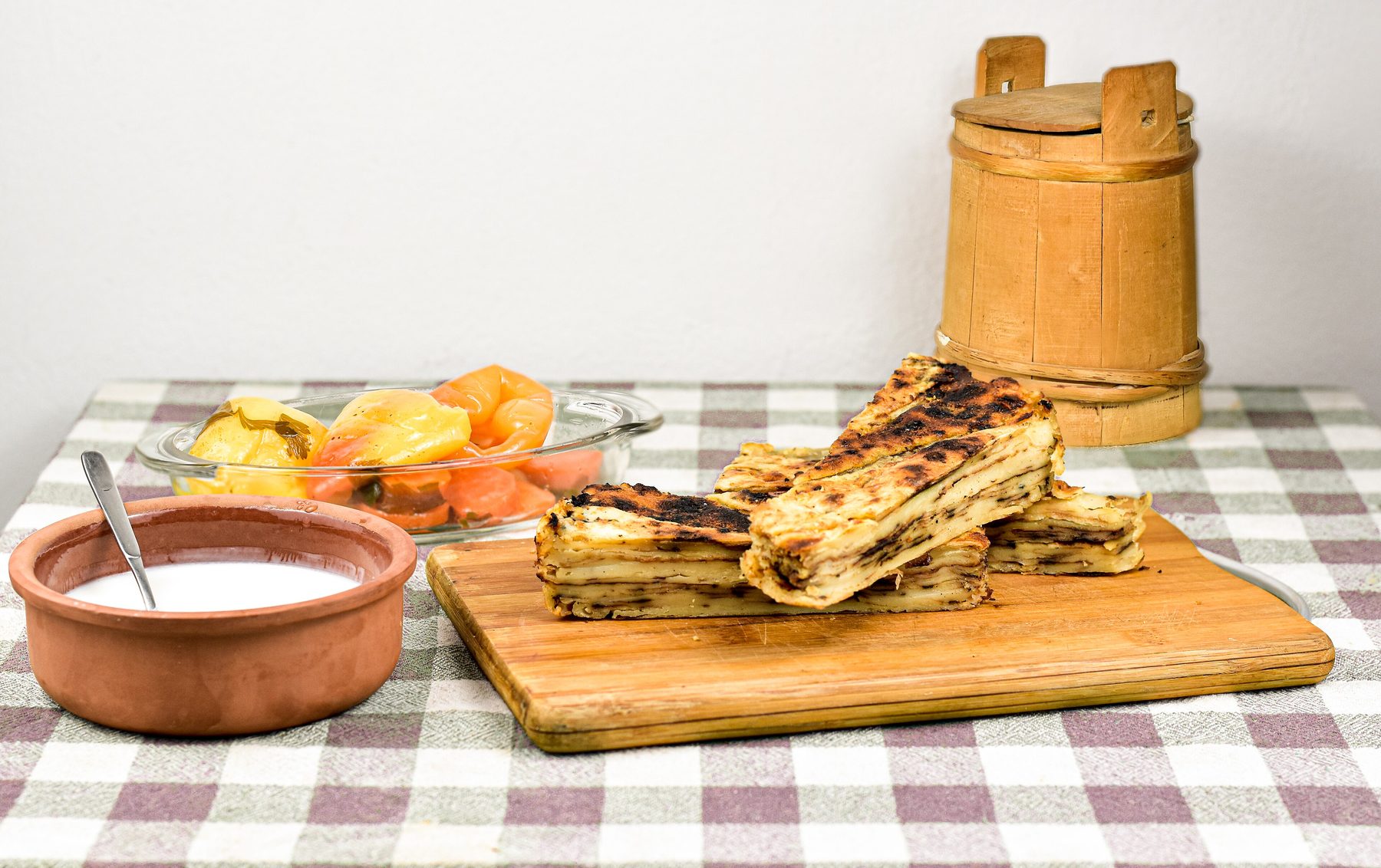
Flia, baked under the saç
Thin cream-brushed layers cooked slowly over embers beside the butter churn. It takes hours — and the hours are the point.
Rrahmani.v, CC BY-SA 4.0 · Wikimedia Commons
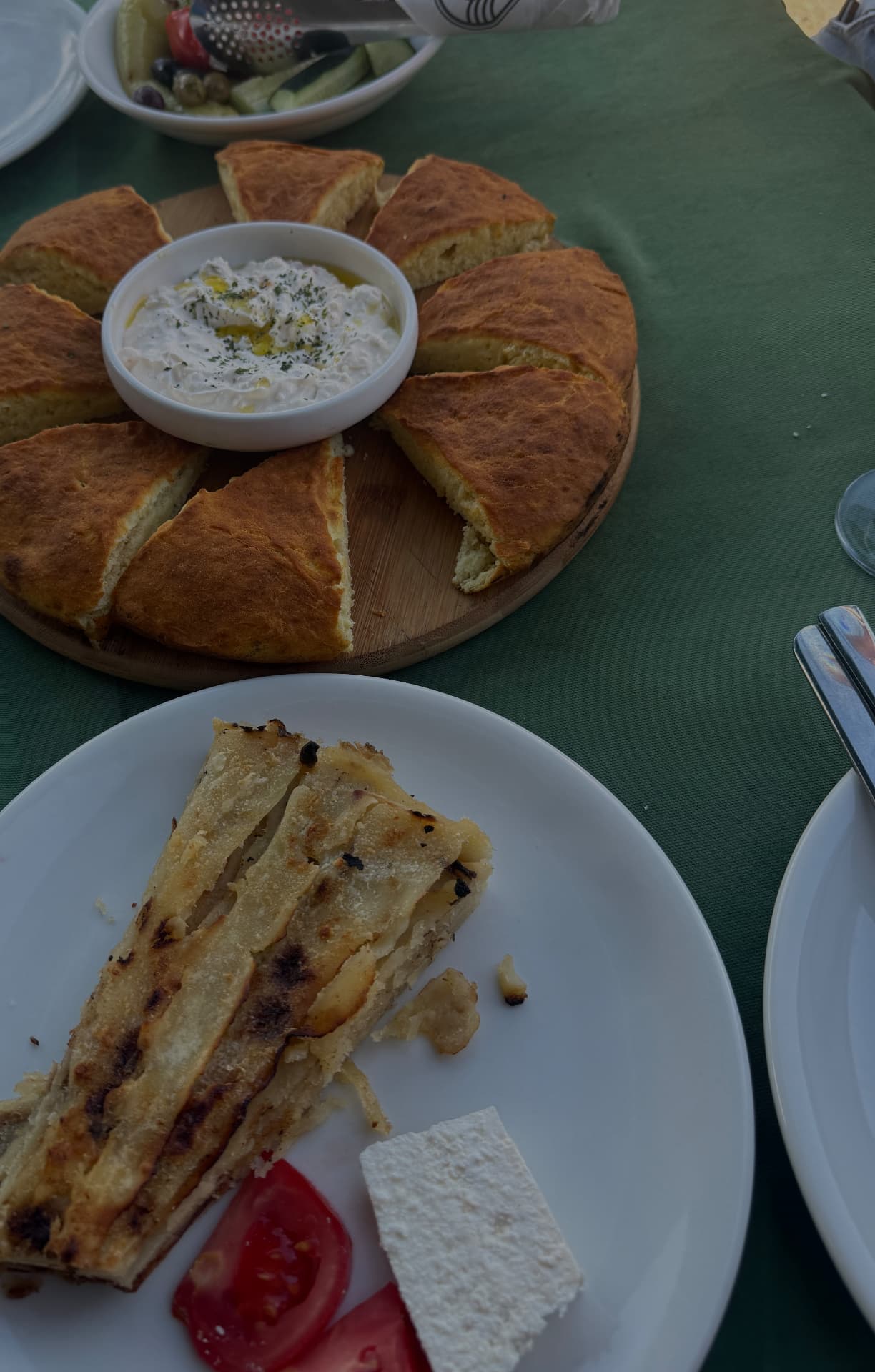
The table, set at home
Flija, homemade bread, cheese and preserves — laid out the way a mountain family lays it out for guests.
Photography by FRID Worldwide
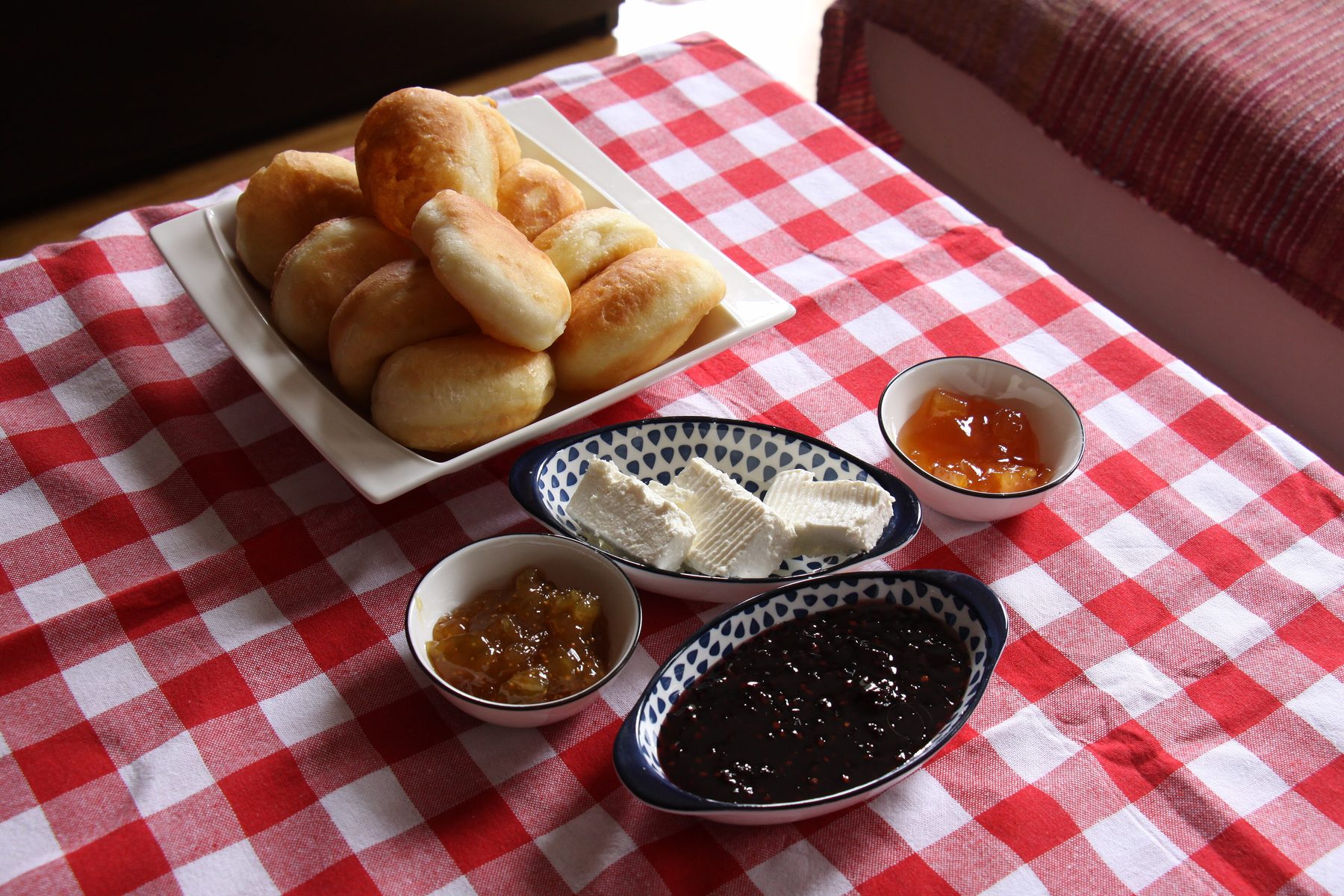
Morning table — llokuma, cheese, jam
How a mountain household starts the day: fried dough, fresh white cheese, and two jams made from last summer's fruit.
Elsa Sadiku, CC BY-SA 4.0 · Wikimedia Commons
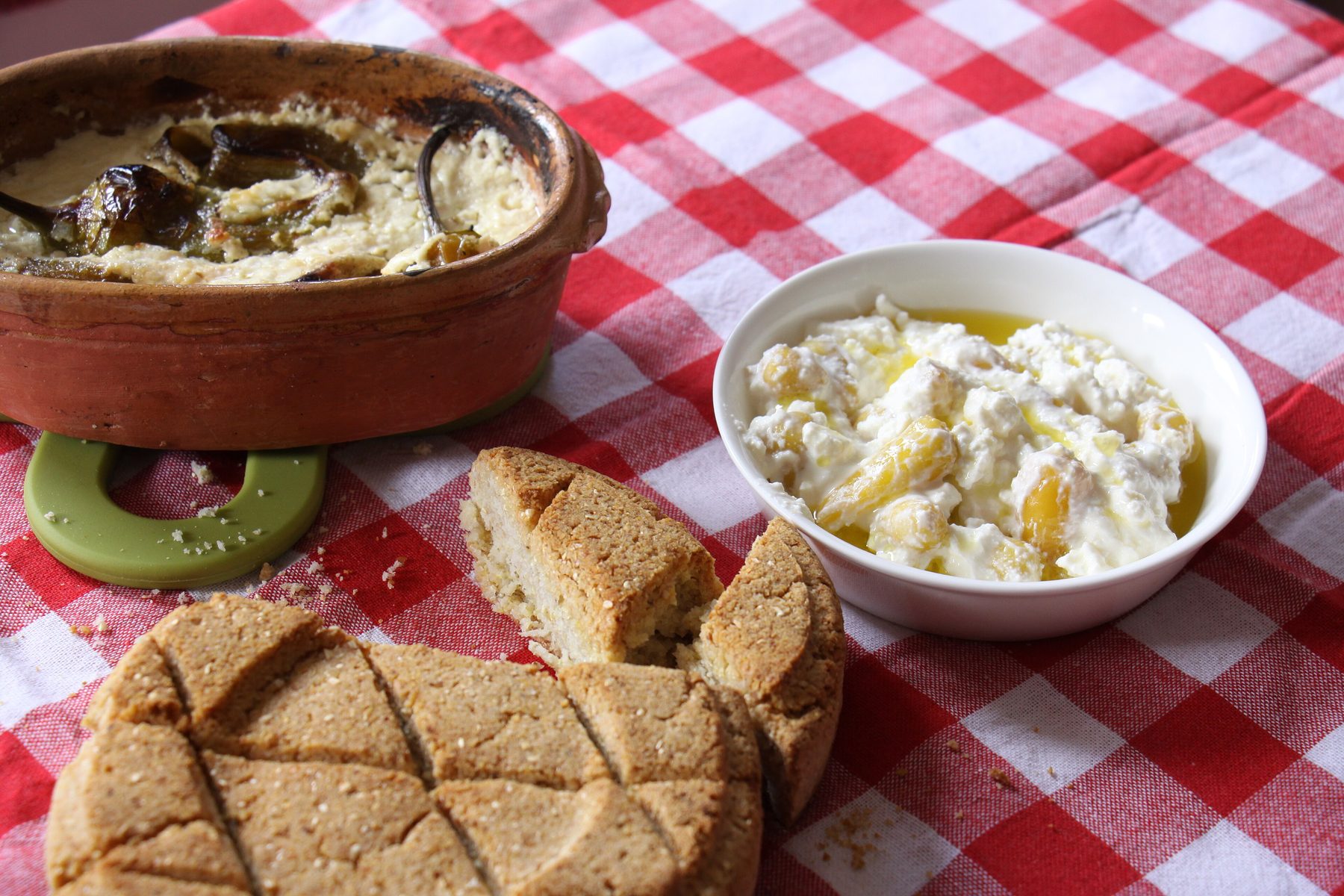
Speca me maze & cornbread
Baked peppers with maze — the cream skimmed from boiled milk — eaten with warm misri bread straight from the clay dish.
Elsa Sadiku, CC BY-SA 4.0 · Wikimedia Commons
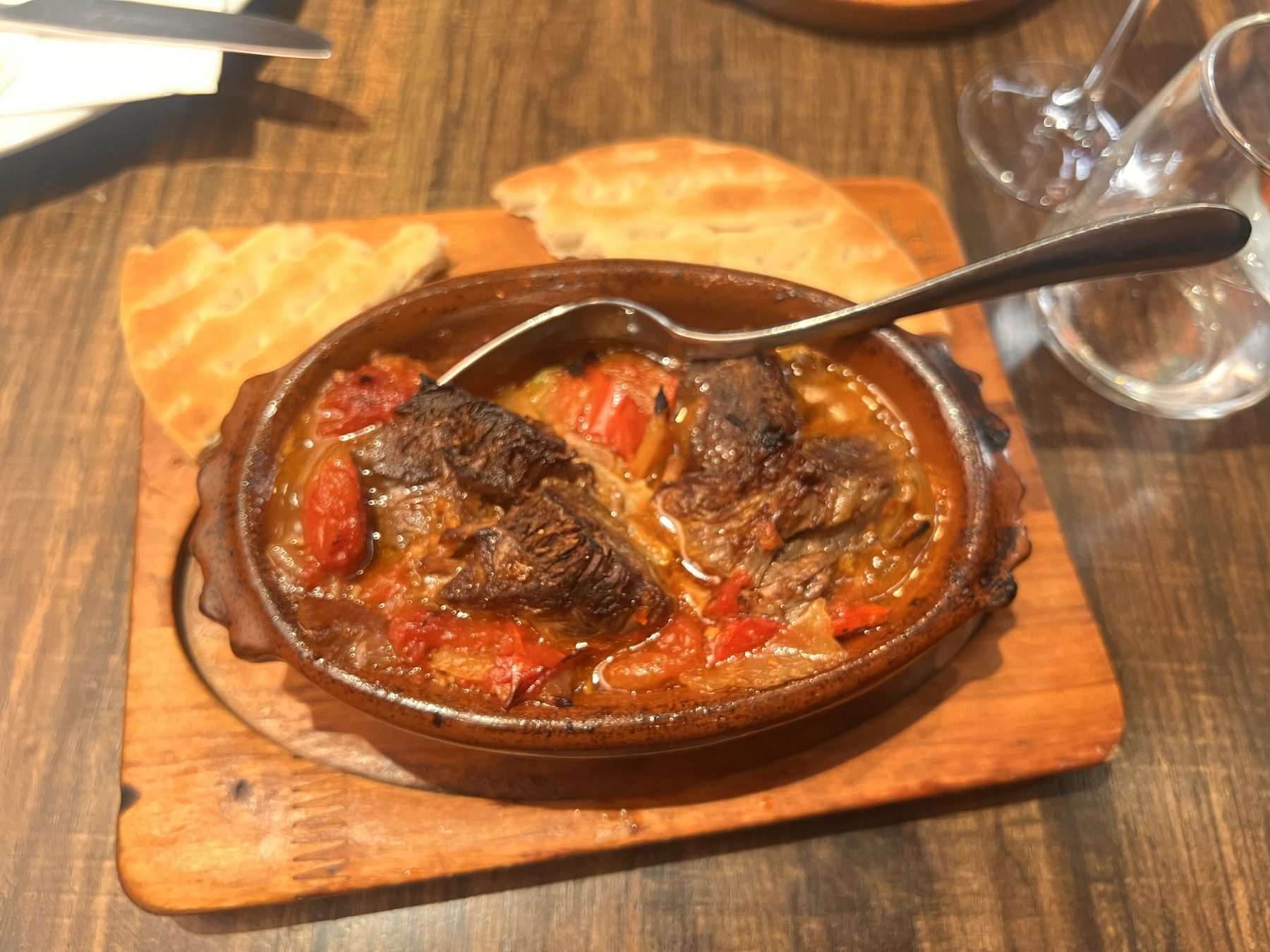
Slow tavë, Prishtina
A clay-pot tavë that has been in the oven since morning, brought to the table with flatbread and nothing else.
Bdx, CC0 · Wikimedia Commons
Cities
Old towns & the new capital
Prizren under its fortress, Gjakova's Ottoman bazaar waking up, and Prishtina — Europe's youngest capital by average age — refusing to sit still.
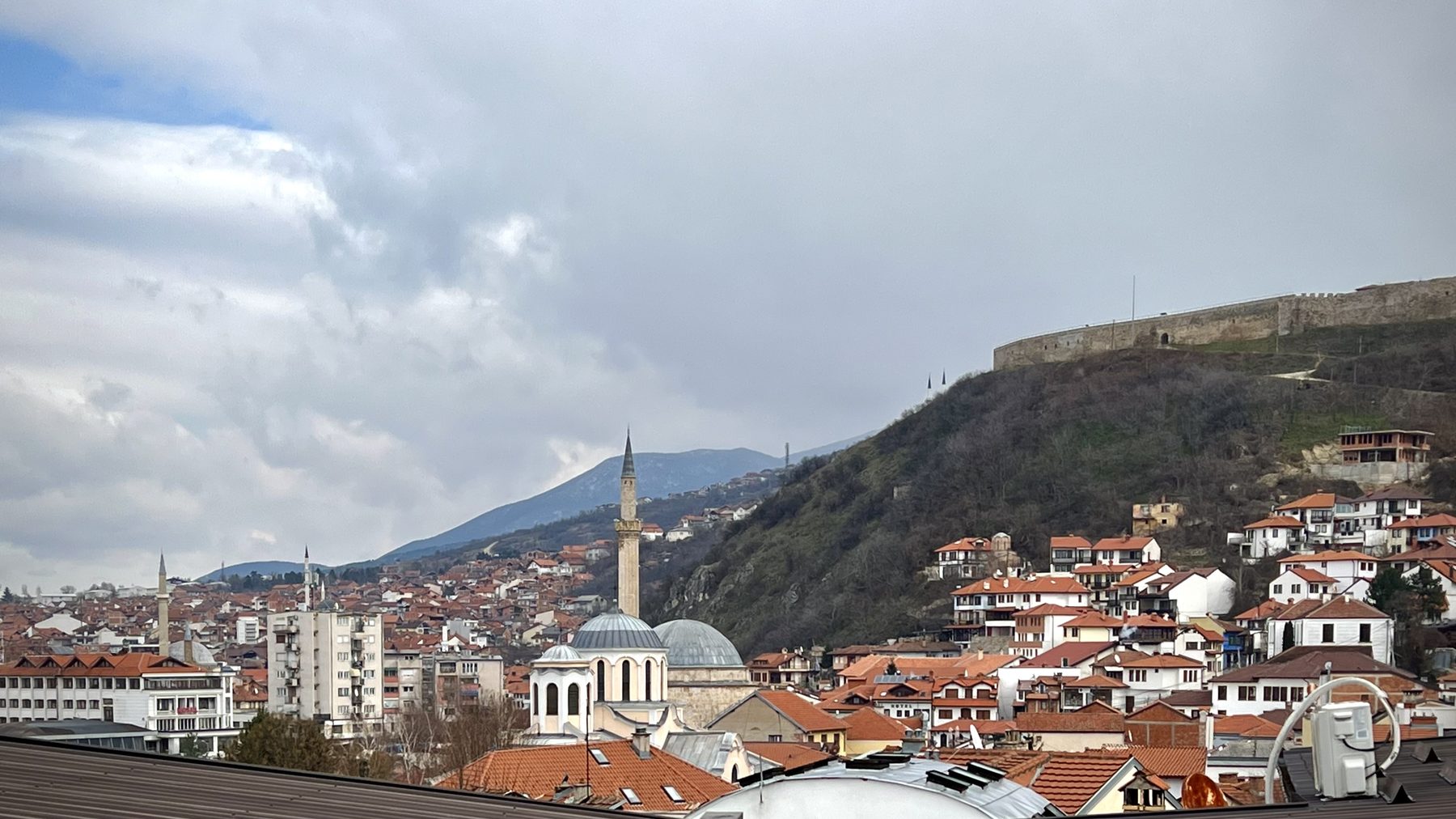
Prizren beneath the fortress
Minarets, tiled roofs and the Ottoman fortress ridge above them. The old town is walked slowly, ideally at dusk.
Sharon Hahn Darlin, CC BY 2.0 · Wikimedia Commons
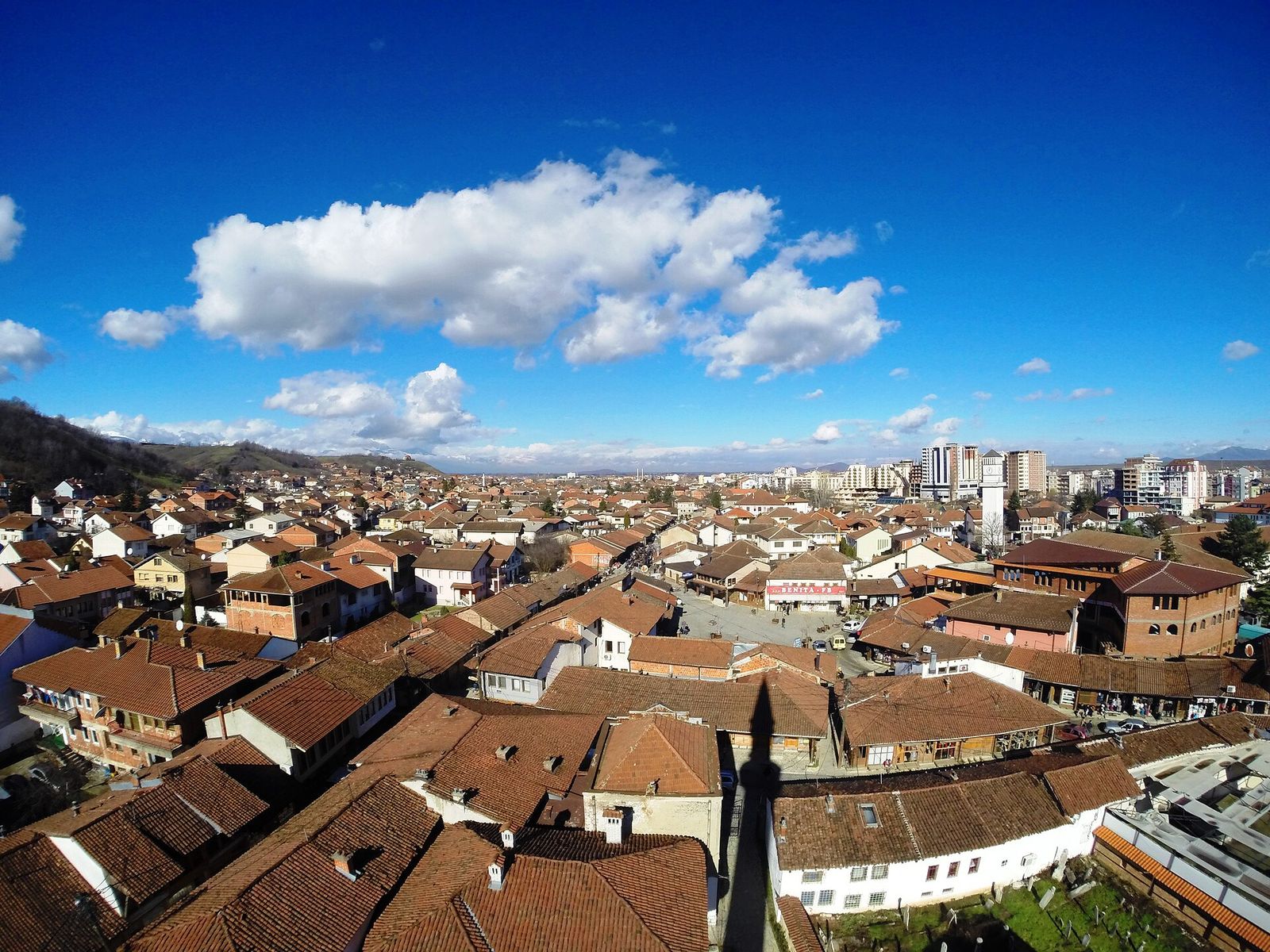
Gjakova in the morning
Çarshia e Madhe before the shutters go up — one of the oldest surviving market quarters in the Balkans.
Nentor Oseku, CC BY-SA 3.0 · Wikimedia Commons
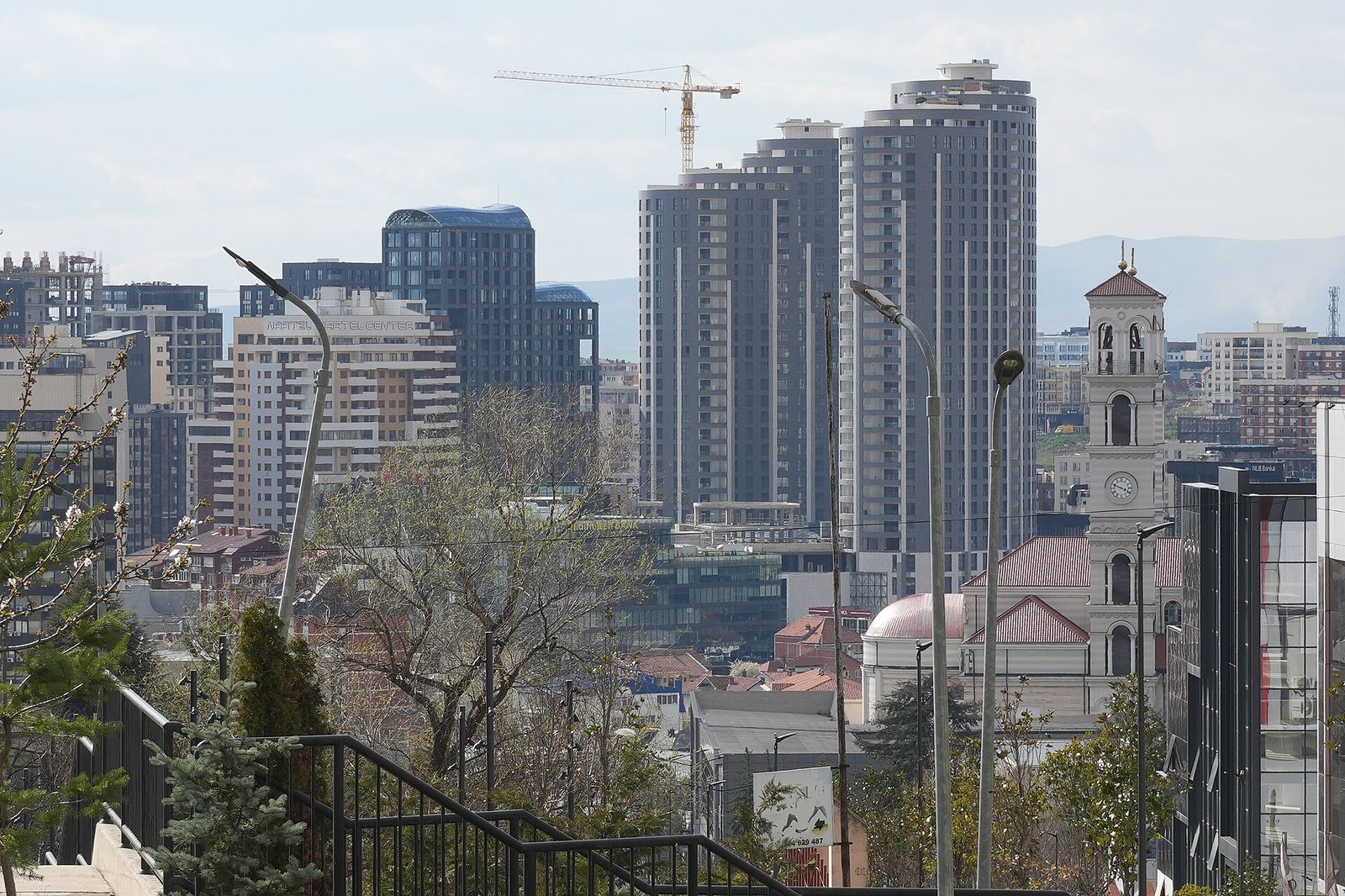
Prishtina
Cafés full at midnight, half the skyline under construction, all of it in motion.
GentiBehramaj, CC BY 4.0 · Wikimedia Commons
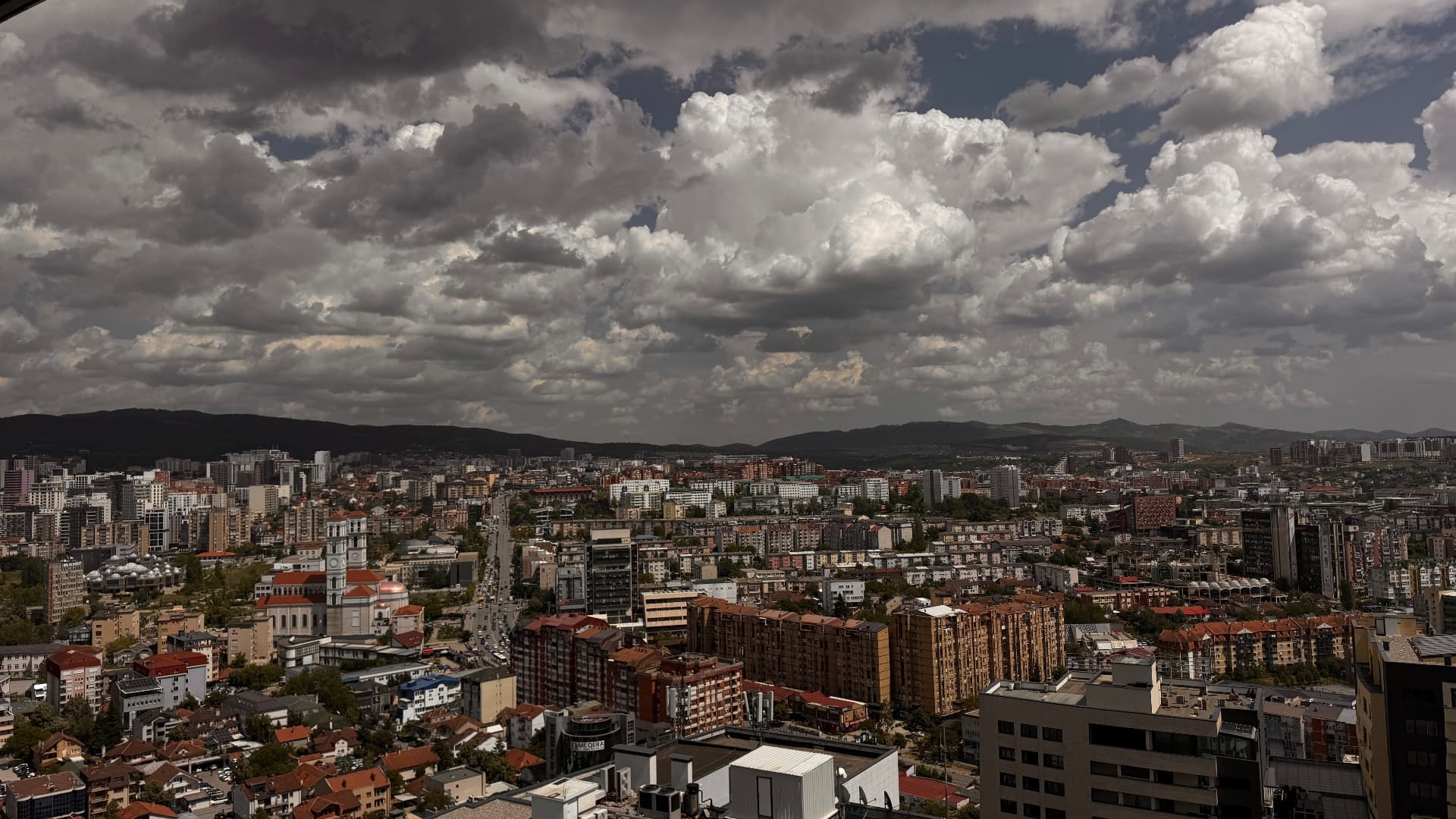
Prishtina from above
The capital under a moving cloudscape — a city that reads differently once you are over it.
Photography by FRID Worldwide
History
Layers of history
Roman Ulpiana, fourteenth-century frescoes at Dečani, an Ottoman fortress above Prizren, an aragonite cave under Lipjan, and a monument spelling out a country's first day.
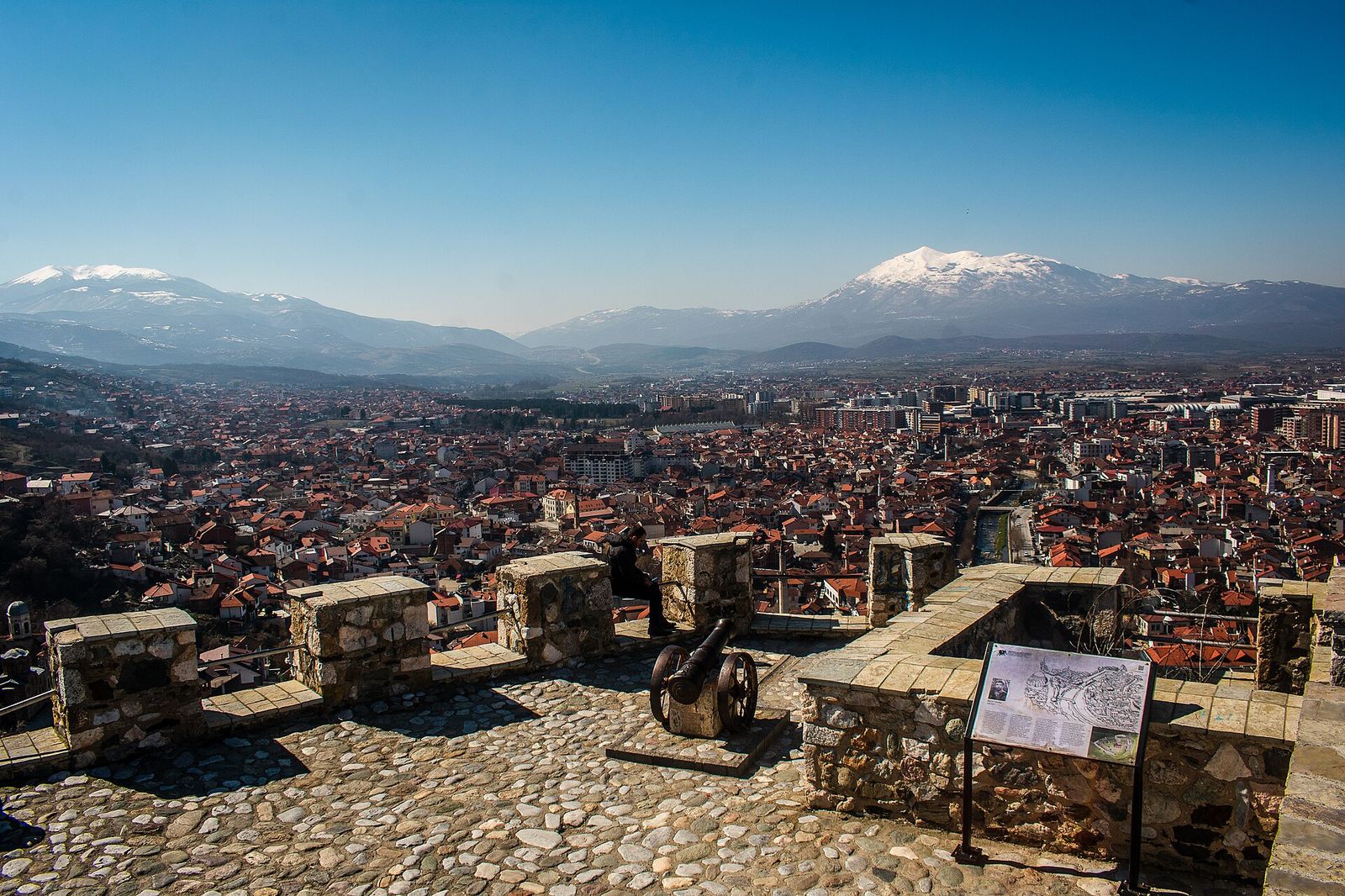
Kalaja e Prizrenit
Illyrian foundations, Byzantine walls, Ottoman additions — and the best sunset in the country.
Tom.whitehead337, CC BY-SA 4.0 · Wikimedia Commons
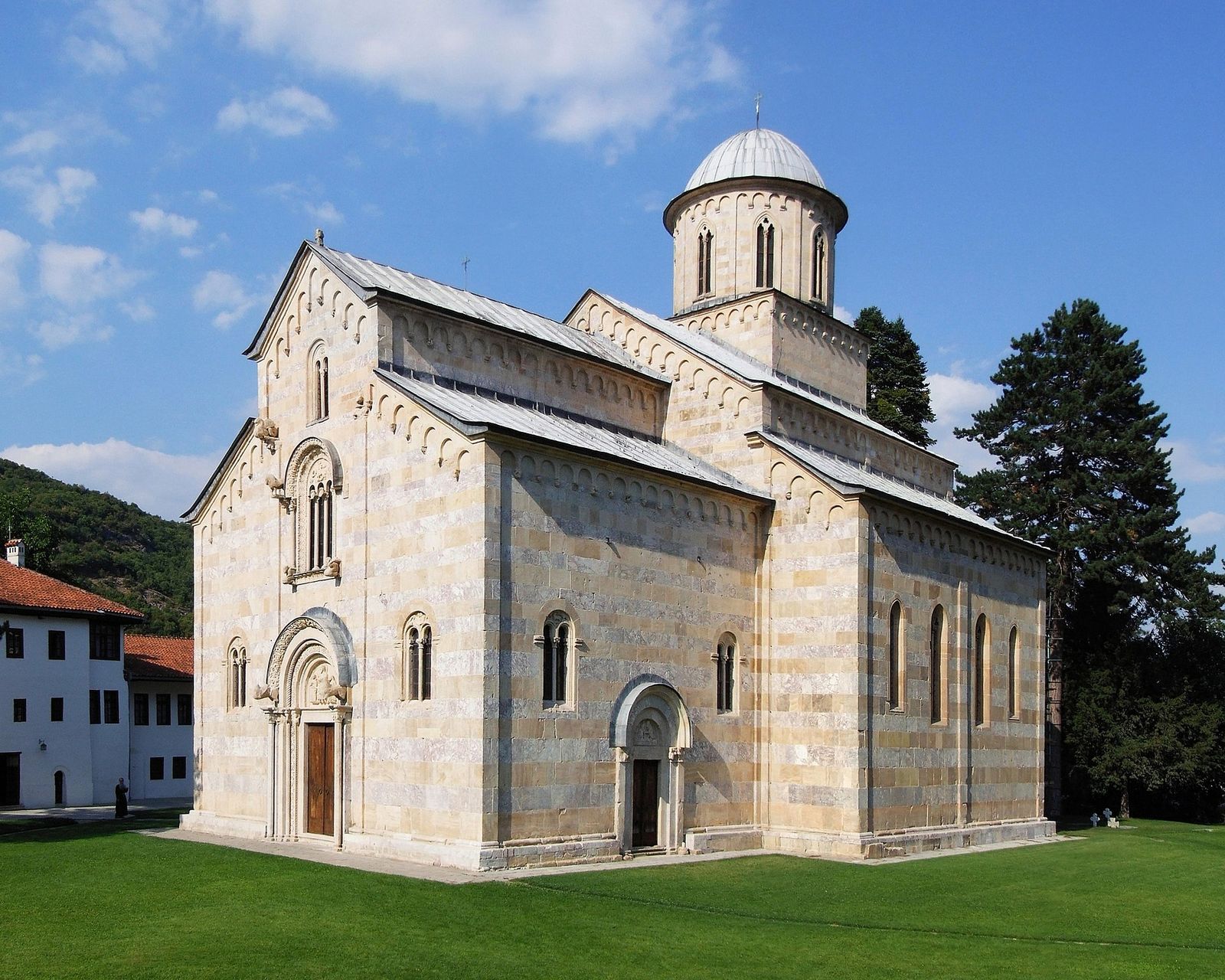
Visoki Dečani monastery
Fourteenth-century marble and one of the largest surviving fresco cycles in medieval Europe, in a chestnut valley near Peja.
Pudelek (Marcin Szala), CC BY-SA 3.0 · Wikimedia Commons
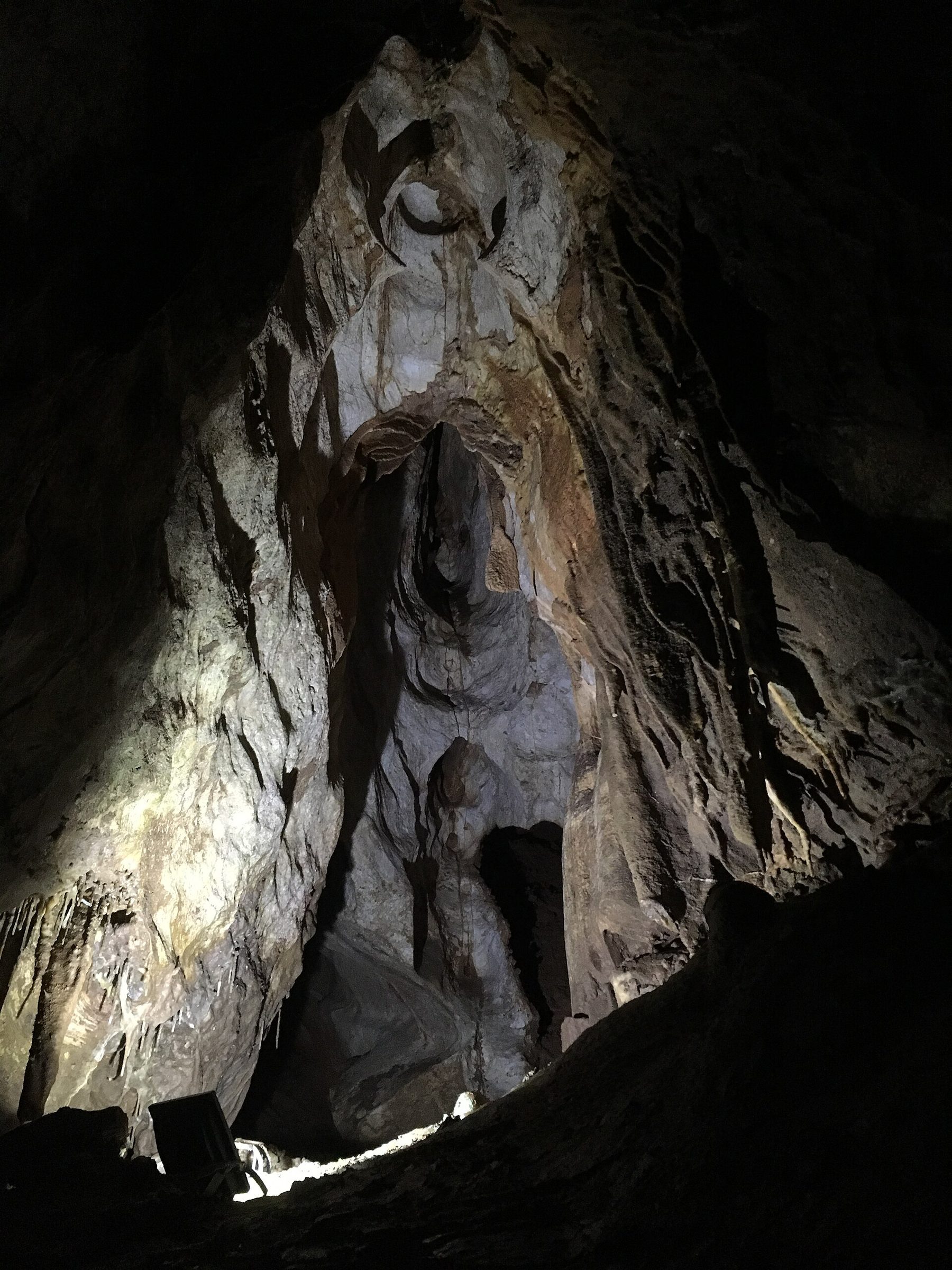
Gadime marble cave
Found by accident in 1969 — rare aragonite crystals that grow sideways, deep beneath Lipjan.
Antonio Pavlovski, CC BY-SA 4.0 · Wikimedia Commons
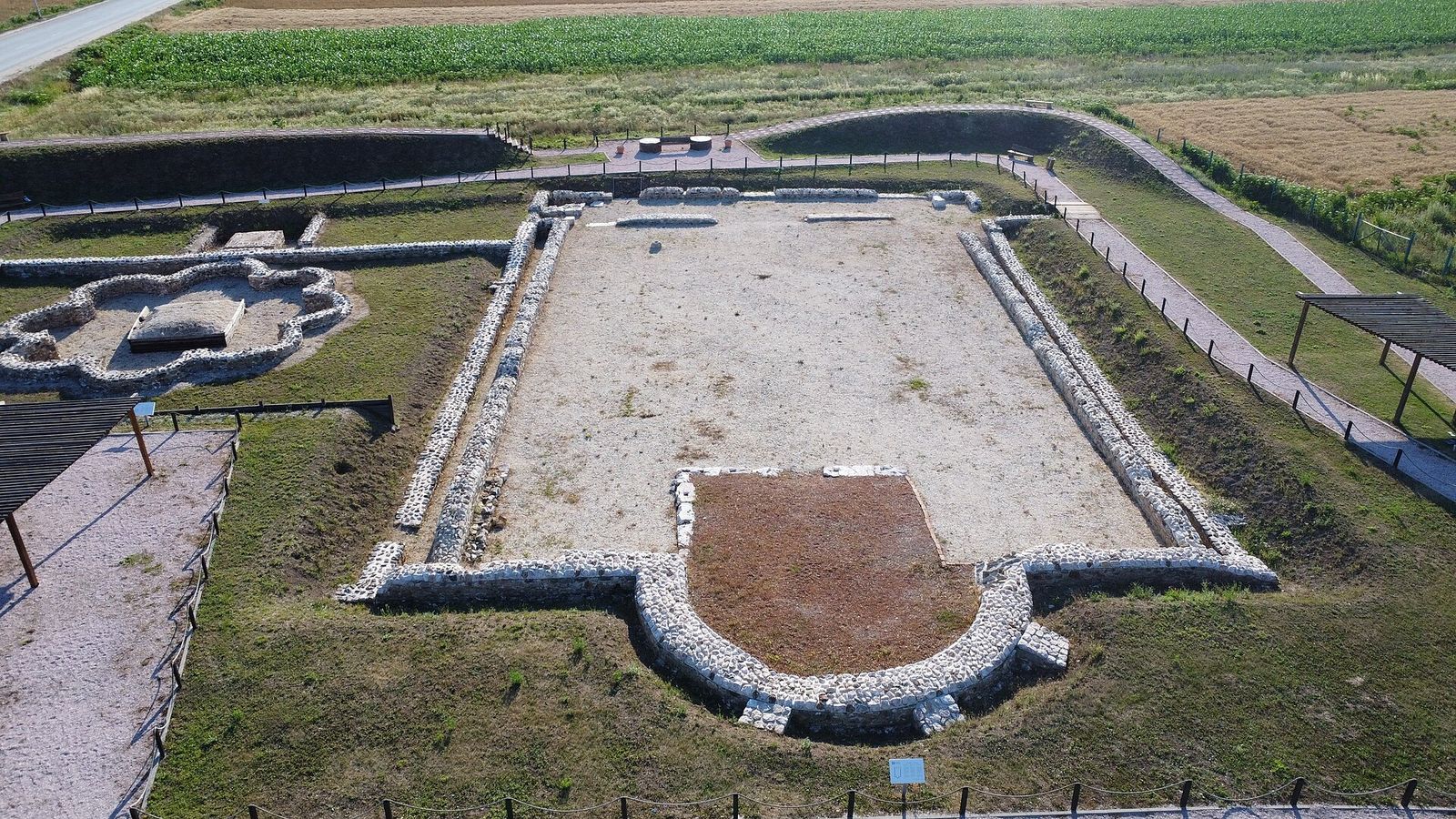
Ulpiana, Roman city
A 2nd-century Roman city still being uncovered field by field, half an hour south of Prishtina.
Arianit, CC BY-SA 4.0 · Wikimedia Commons
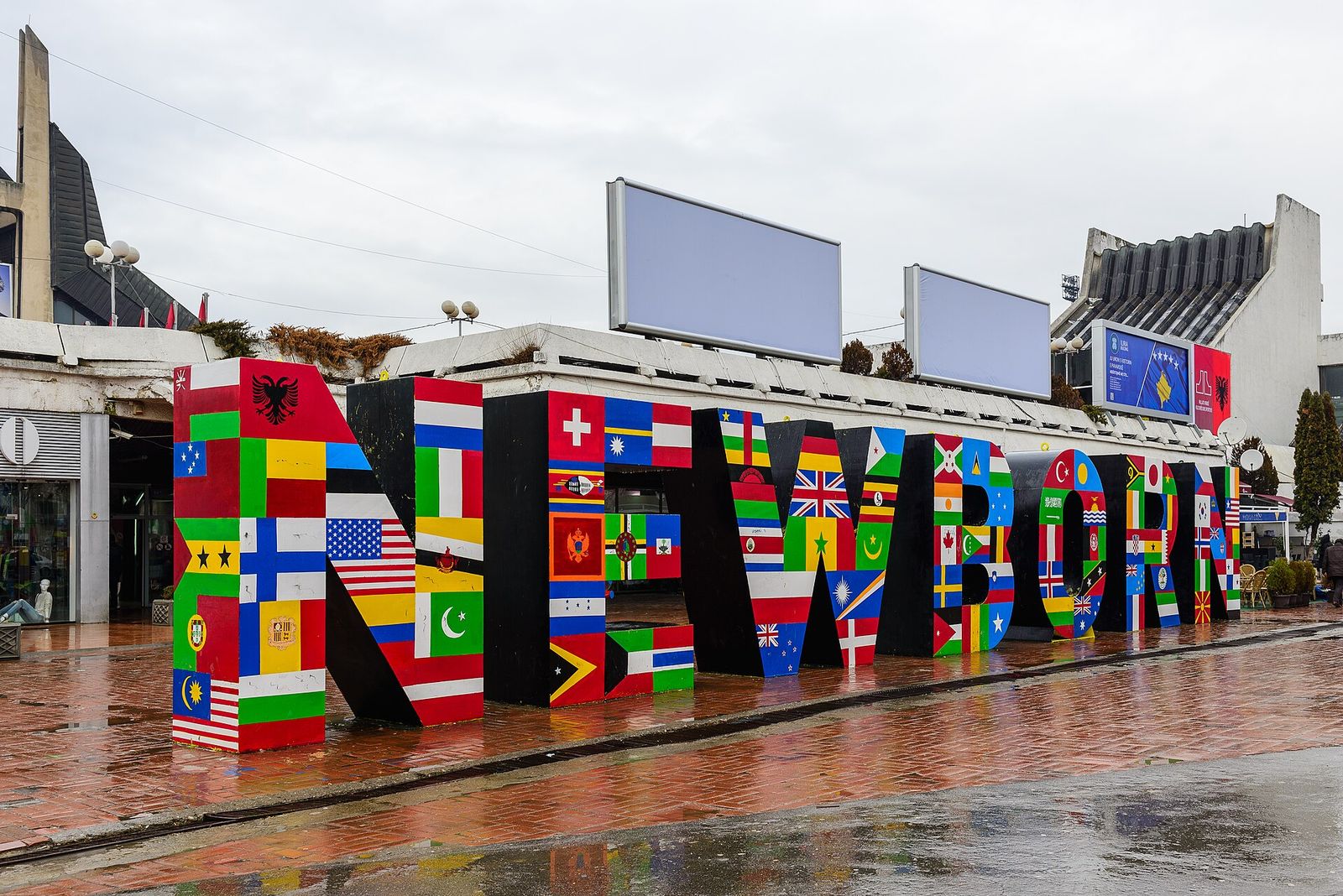
NEWBORN, Prishtina
Unveiled the day independence was declared, repainted every year. The most photographed sentence in Kosovo.
Arild Vågen, CC BY-SA 3.0 · Wikimedia Commons
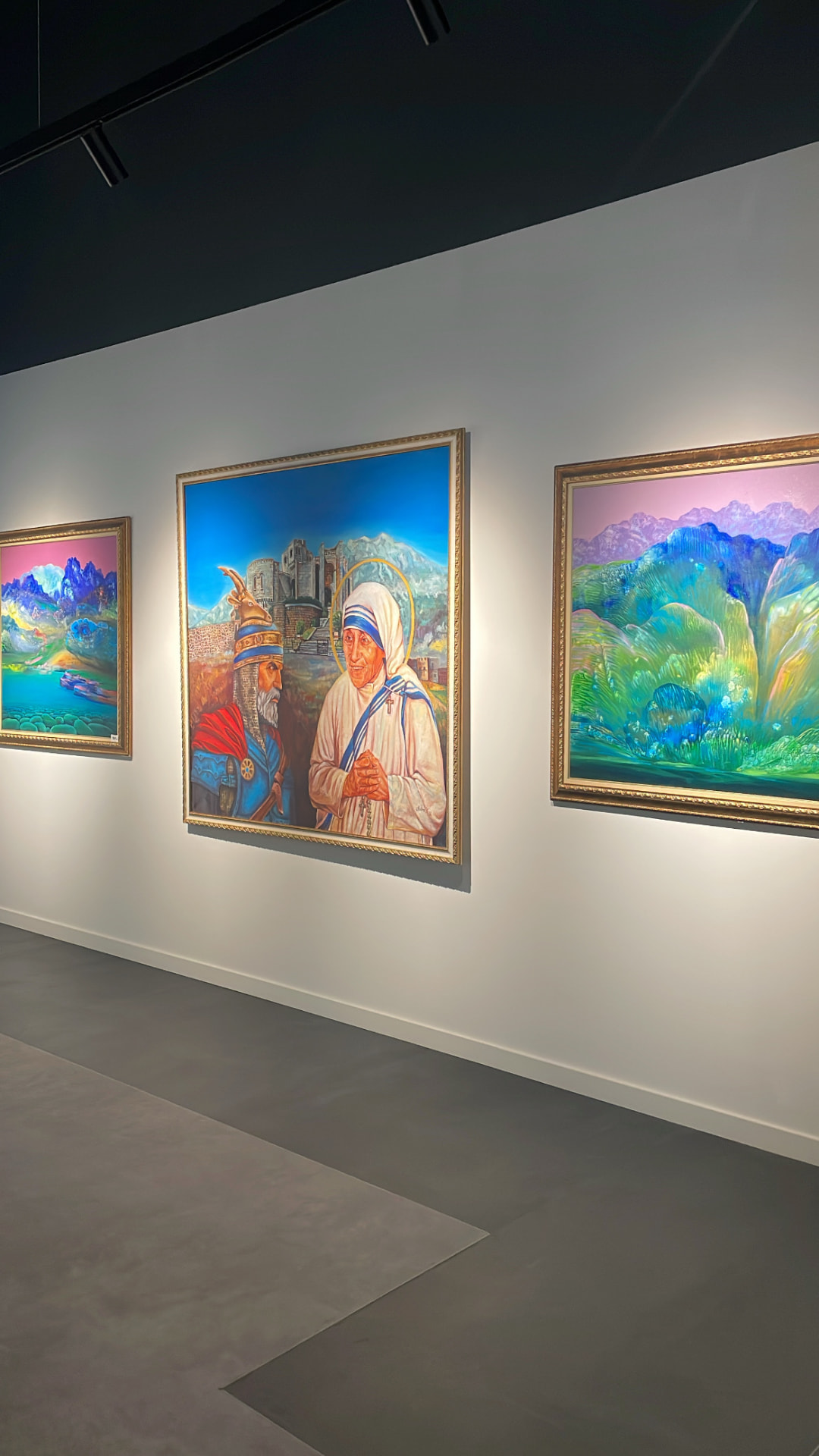
Painting Skanderbeg and Mother Teresa
A Prishtina gallery wall where the two figures Kosovars grow up with hang side by side.
Photography by FRID Worldwide
Seen something you want to feel?
Tell us which of these places pulled at you, and we will shape a journey around it.